Wool vs Cotton vs Linen: Choosing the Right Scarf for British Weather
A scarf is the hardest-working thing in a British wardrobe. It hangs by the door from October to April, gets bundled into a coat pocket on an unseasonably mild Tuesday, and comes out again in July for a breezy hour on a seafront. It has to cope with weather that changes its mind halfway through a walk: drizzle that stops, wind that arrives, a sun that turns a cold morning into a warm afternoon.
That is why the fibre matters at least as much as the colour. Wool, cotton and linen each behave differently when the air is damp, the wind is up or the temperature climbs. Here is how each performs, how to look after it, and how to choose for the weather you actually get.
Wool: the cold-weather workhorse
Wool's advantage is structure. Its fibres are crimped and springy, so a wool scarf traps air in thousands of tiny pockets. That trapped air does the insulating, not the fibre itself, which is why a light merino scarf can feel warmer than a much heavier cotton one.
Wool also takes up moisture vapour from the air and from your breath without feeling wet against the skin. On a damp, raw day that is exactly what you want, because a slightly damp wool scarf still feels warm. Cotton in the same conditions sits cold and heavy.
How warm a wool scarf feels depends on the sheep, the yarn and the weave. Fine merino is soft enough to wear against the neck and under a coat collar. Lambswool and Shetland are springier and a little crisper, and tend to hold their shape over years. Cashmere and cashmere blends feel lighter and softer but show wear sooner, particularly where a bag strap or coat collar rubs.
Expect some pilling in the first season, especially in looser knits; a fabric shaver sorts it in a minute. Store wool clean and dry, fold rather than hang, and keep moths away with a cedar block or a lavender bag. Wash by hand in cool water with a wool detergent, press the water out rather than wringing, then dry flat and reshape while damp.
Cotton: the everyday middle ground
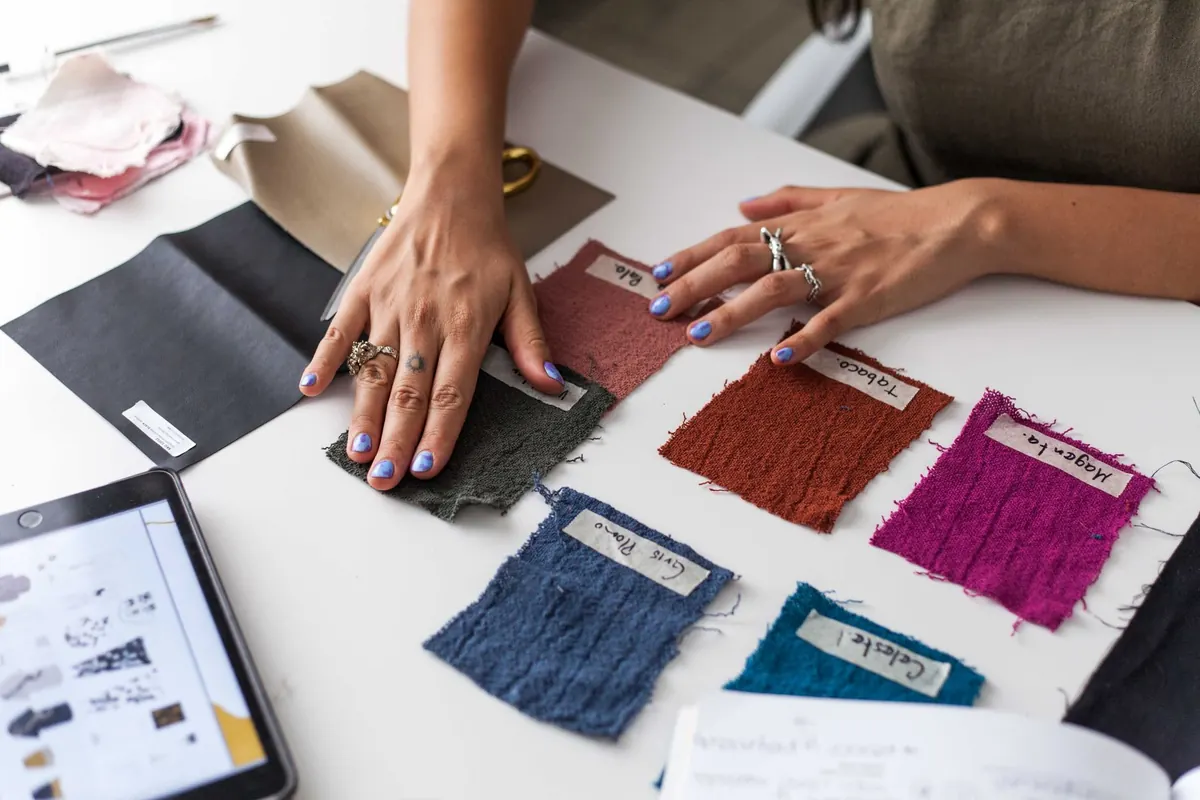
Cotton is the practical all-rounder. It is soft, holds dye beautifully, takes a machine wash without complaint, and comes in everything from fine voile to a substantial twill. It breathes well, which makes it comfortable on a clammy train or in an overheated office.
Its weakness is insulation. Cotton has no crimp and no loft, so warmth comes from bulk rather than trapped air. It also absorbs liquid moisture readily and dries slowly, which means a cotton scarf caught in real rain ends up cold and heavy round your neck.
Where cotton excels is the long middle of the year: April to June, September and October, and any summer evening when the temperature drops after sunset. A wide cotton or cotton-linen scarf draped over the shoulders also gives useful shade and coverage in strong sun, and goes in the wash far more easily than a sun hat.
Care is simple: machine wash at 30°C, reshape while damp, dry flat or on a line, and iron on the reverse if you want a crisp finish. Hang cotton scarves folded over a rail rather than by one end, or they will stretch out of shape.
Linen: for heat, humidity and a relaxed look
Linen comes from flax, and its fibres are long, smooth and low in elasticity. It moves moisture away from the skin and dries quickly, which makes it the best of the three in warm, sticky weather: a linen scarf will not cling damply to your neck the way cotton can.
It also has a look of its own, crisp and slightly slubbed, with a matte finish that reads as relaxed rather than scruffy. Linen creases. Not slightly, but properly. You can iron it and lose the argument within twenty minutes, or you can accept the creases as part of the fabric's character and save yourself the trouble.
The good news is that linen softens with every wash and becomes genuinely lovely after a season or two. Be honest about its limits, though: it offers almost no warmth, and wind passes straight through a loose weave. Heavy linen can also feel stiff when it is new.
Wash linen warm with similar colours, tumble dry on low if you want softness and drape, or line dry for a crisper handle. As it ages it needs less ironing, which is one of the small pleasures of the fibre.
Fibre is only half the story
Two scarves in the same fibre can behave like completely different garments. Four things make the difference:
- Weight. A fine, light scarf drapes and layers under a coat; a heavy one blocks wind and stands up on its own.
- Weave. Tight twills and dense plain weaves keep the wind out and shrug off light drizzle. Loose, lacy or open knits trap air but let a breeze straight through.
- Yarn. Tightly spun yarns resist pilling and hold their shape. Loosely spun yarns feel softer at first but fluff and pill sooner.
- Blends. Wool with a little cotton is warm without the prickle; linen with cotton creases less and washes more easily; a touch of silk adds sheen and a cooler feel.
Length matters too. A scarf you can wrap twice and tuck gives you far more options than a short one you can only loop once, so check the measurements before you buy rather than after.
Matching scarf to forecast
- Raw, damp, 3–8°C: wool, tightly woven, long enough to wrap twice with the ends tucked inside your coat.
- Dry and windy: wool again. Cotton will flap and let the wind through no matter how many times you wrap it.
- Mild and changeable, 10–15°C: cotton, or a wool-cotton blend you can loosen as the day warms up.
- Warm and sticky: linen, worn loose with the ends tucked rather than knotted.
- In and out of buildings: cotton, because it folds small, survives being stuffed into a bag and washes easily.
Care habits that keep a scarf in rotation
Whichever fibre you choose, a few habits extend its life. Air scarves for a day between wears rather than washing after every outing. Deal with stains straight away, while they are still on the surface. Store folded and bone dry, never damp and never sealed in plastic for long periods. Keep a small sewing kit handy for loose ends, and re-stitch a frayed fringe before it unravels further.
Choosing well
If you are buying one scarf for a British winter, buy wool, woven tightly enough to stop the wind, in a colour that works with every coat you own. If you are buying one for the rest of the year, buy cotton or a cotton-linen blend you can wear loose in summer and doubled in spring. If you want a scarf that looks better every time you wear it, buy linen and stop worrying about the creases.
Most of us end up with all three on the same hook by the door, and that is the honest answer. The right scarf is the one that suits the day, and a British forecast rarely promises just one.
Photo: Los Muertos Crew / Pexels