A Beginner's Guide to Caring for Sterling Silver Jewellery
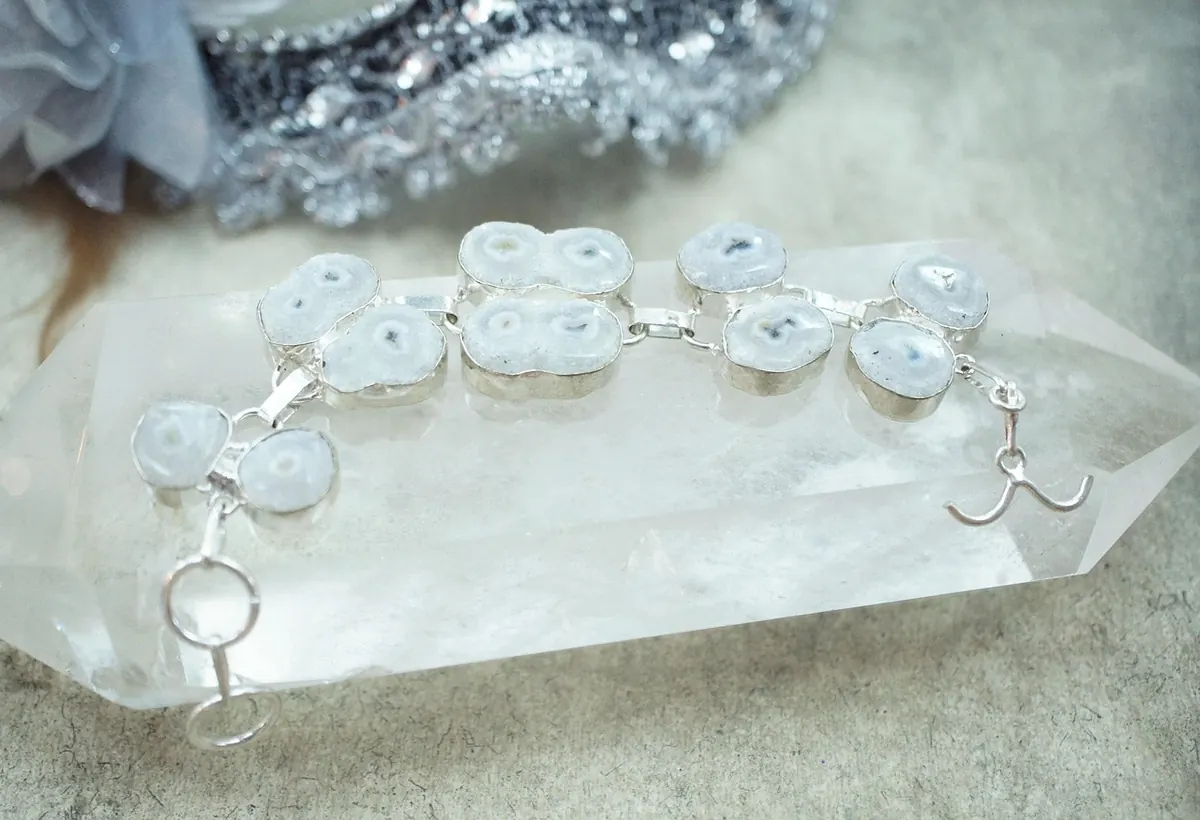
Sterling silver has a warmth that plated metals rarely manage, and it rewards a little attention. A ring you wear every day, a chain that comes out for evenings, a pair of earrings inherited from a grandmother — all of them will dull if they're left in a drawer for months. Tarnish isn't a sign that the silver is cheap or damaged. It's chemistry, and it's reversible. Here's how to clean, store and wear sterling silver so it stays bright.
What Sterling Silver Is, and Why It Tarnishes
Sterling silver is 92.5 per cent pure silver. The remaining 7.5 per cent is usually copper, added because pure silver is too soft to hold its shape or a claw setting. Look for a "925" stamp, or a UK hallmark on pieces sold here as silver.
Tarnish is silver sulphide — a chemical layer that forms when silver meets sulphur compounds in the air. It starts as a faint gold tinge, deepens to brown, then goes almost black in the crevices. Copper in the alloy speeds the process up, which is why some pieces discolour faster than others.
Things that make it worse:
- Humidity, and damp rooms in particular
- Rubber bands, latex and untreated wool
- Perfume, hairspray, hand cream and sunscreen
- Chlorine in pools and hot tubs
- Bleach and household cleaners
- Foods high in sulphur — eggs, onions, some mayonnaise
Knowing the causes makes prevention simple: keep silver dry, and keep it away from chemicals.
Everyday Cleaning: A Five-Minute Routine
Most silver doesn't need anything dramatic. Warm water, a drop of mild washing-up liquid and a soft baby toothbrush will lift the everyday film of skin oils and grime.
- Fill a small bowl with warm water and a drop of washing-up liquid.
- Soak the piece for a minute or two.
- Brush gently — along the chain, around the setting, behind the earring post.
- Rinse under warm running water, holding the piece over the bowl so nothing disappears down the plughole.
- Pat dry with a soft, lint-free cloth, then leave it in the air for ten minutes before storing.
Finish with a silver polishing cloth. These are impregnated with a very fine compound, so don't wash them — a cloth that has turned black is still working. Replace it when it becomes stiff or gritty.
What to avoid: toothpaste or bicarbonate of soda rubbed on as a paste (both are abrasive and dull a polished surface), paper towels and tissues (wood fibres scratch), bleach, and ultrasonic cleaners for anything set with opals, pearls, emeralds or glued-in stones.
Heavy Tarnish: Two Methods, and When to Use Them
The foil and bicarbonate method
Line a heatproof bowl with aluminium foil, shiny side up. Add a tablespoon of bicarbonate of soda and a pinch of salt, pour in hot — not boiling — water, and lay the silver on the foil so it makes contact. The sulphur transfers to the foil and the silver brightens within a few minutes. It's gentle on plain silver and works well on chains. Skip it for anything with stones, glued parts or an antiqued finish, because it strips the deliberate darkening out of the recesses. Rinse and dry thoroughly afterwards.
Silver dip
Dip is fast and effective, but it's an acid, so follow the instructions and measure in seconds rather than minutes. Never use it on pearls, opals, amber, turquoise, coral or costume jewellery, and rinse thoroughly afterwards. Some people find dip leaves the surface slightly flat; a polish with a cloth usually restores the shine.
If a piece is heavily tarnished and you're not sure what the stones are, stop. Cleaning the wrong way can do more damage than the tarnish ever would.
Chains, Rings and Earrings: Where Trouble Hides
Chains. Grime collects in the gaps between links, and clasps and jump rings are the weakest points. Lay the chain flat on a towel and work along it with a soft brush rather than pulling it taut. Fasten the clasp before cleaning so the chain doesn't whip about, and never tug at a stuck link — silver is soft and bends easily.
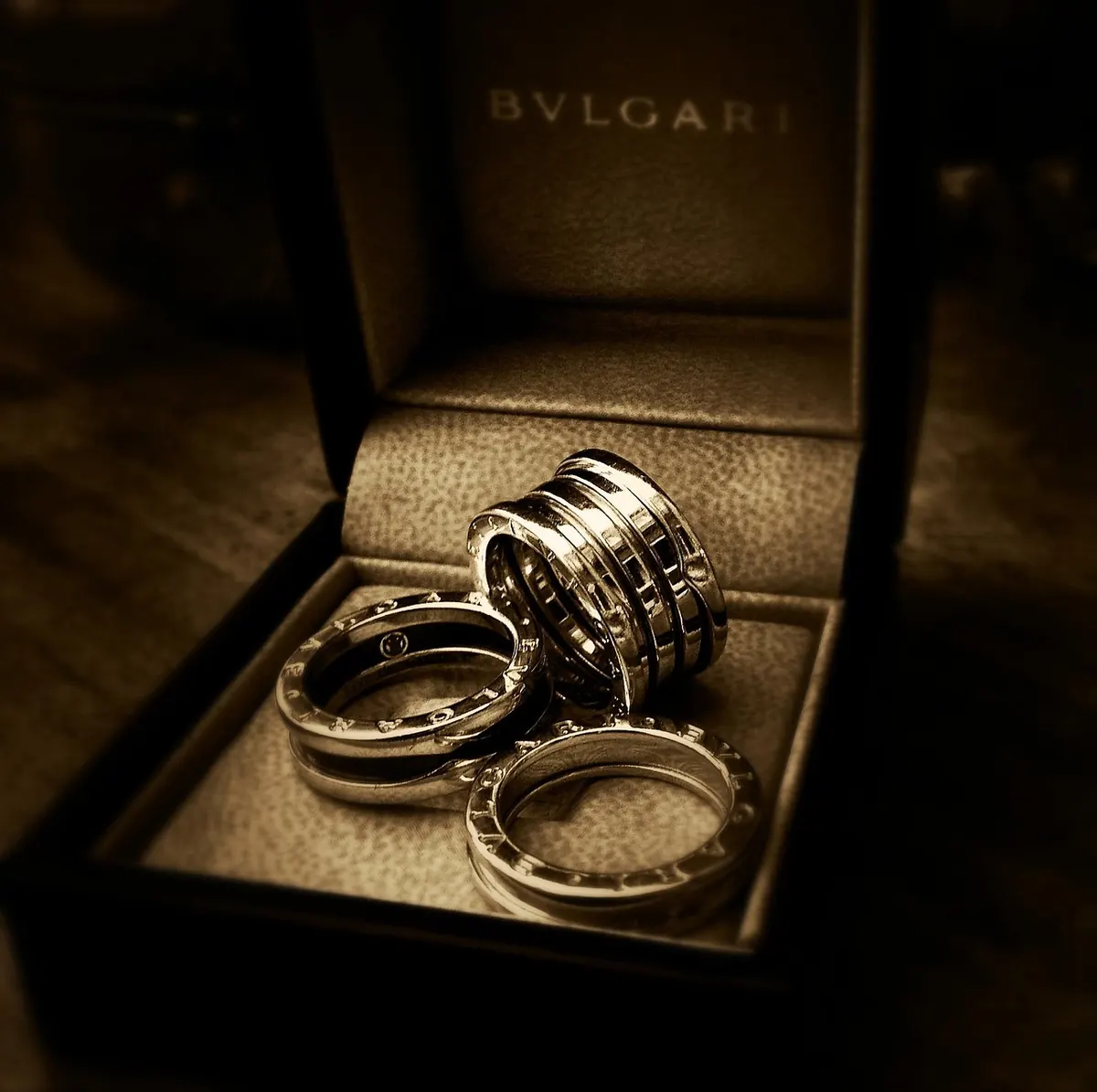
Rings. Tarnish builds inside the band and behind the setting, where a cloth can't reach. A baby toothbrush gets there. If a ring holds a gemstone, check before soaking: opals, pearls, turquoise and amber dislike water and chemicals, so clean those with a barely damp cloth and dry them immediately.
Earrings. Posts and butterfly backs collect hair product, perfume and skin oils, and the backs usually tarnish first. Clean both parts, dry them properly, and wipe the posts with a soft cloth before putting them away. If your ears are sensitive, keeping posts clean and dry matters more than anything else here — and if you have a persistent reaction, speak to a pharmacist or doctor rather than assuming it's the metal.
Storage That Actually Works
Air and moisture are the enemies, so the aim is to limit both.
- Keep pieces in small zip bags with the air pressed out, or in a lined jewellery box with separate compartments.
- Add anti-tarnish strips or a silica gel sachet to the drawer, and replace them as the maker advises.
- Store pieces separately. Silver scratches silver, and a chain left loose with a ring will mark both.
- Fasten chain clasps and lay chains flat, or hang them, to avoid tangles that lead to kinks.
- Keep silver away from rubber bands, wool, newspaper and cardboard.
- Choose a cool, dry drawer rather than a bathroom shelf, where steam does constant damage.
Habits That Keep Tarnish Away
The best prevention is wear. The gentle friction of a ring against your hand or a chain against your neck keeps the surface clear, which is why the pieces you love most often look the best. The ones that sit untouched are the ones that go black.
A few habits are worth building:
- Jewellery on last, off first — after perfume, lotion and hairspray have dried.
- Take it off for showers, swimming, washing up, cleaning with bleach and the gym.
- Wipe each piece with a soft cloth at the end of the day, before it goes back in the box.
- Rotate what you wear so nothing sits for years at a time.
A Routine You Can Keep
None of this needs to be a chore. A quick wipe after wearing, a warm soapy wash once a month, a polish with a cloth when something looks dull, and sensible storage in between will keep sterling silver looking much as it did the day you bought it.
Two things are worth leaving to a professional: structural damage, and anything you're unsure about. Bent links, a worn clasp, a loose stone or a ring that needs re-polishing after years of wear are all jobs for a jeweller, and a small repair now is cheaper than a lost stone later. With a valuable or antique piece, get advice before you clean it — that's the one case where doing nothing is the safest option.
Photo: LoboStudioHamburg / Pixabay