Art Print Framing Explained: Mounts, Glazing and Hanging Options Compared
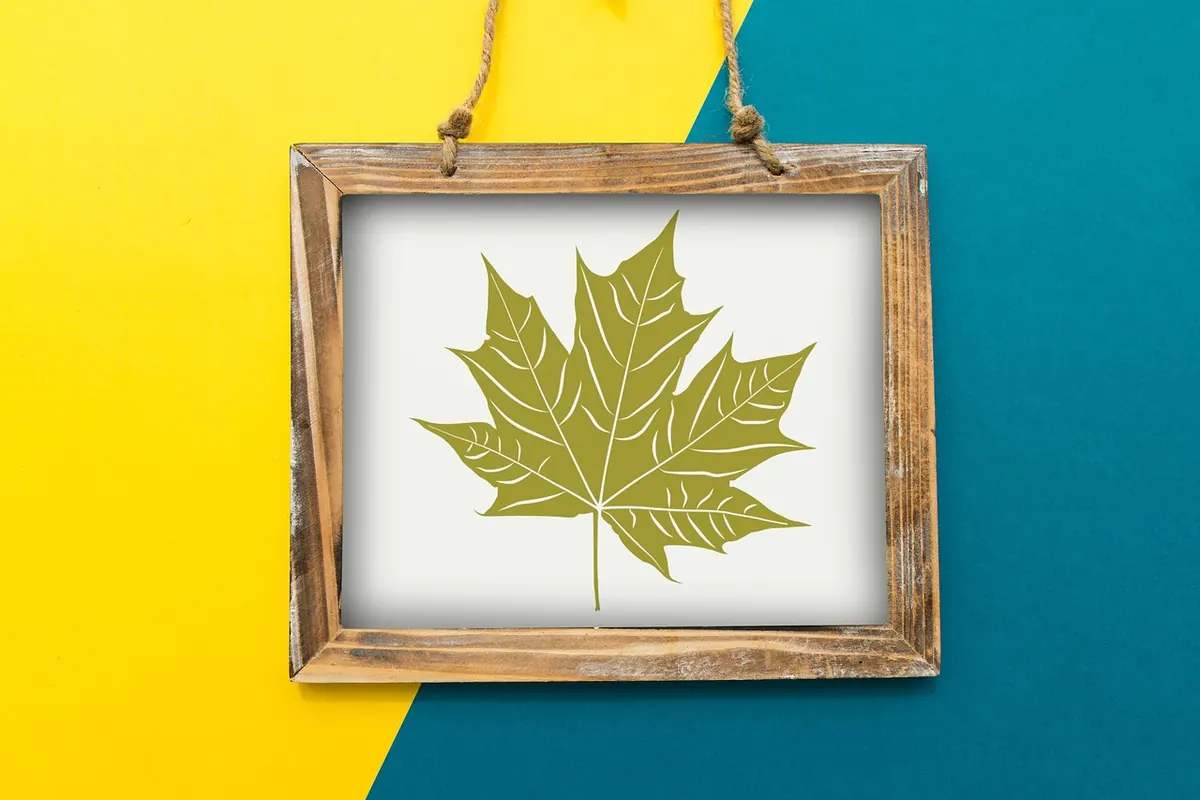
A new print usually arrives rolled in a tube. For a week or two it lives on the back of a chair, quietly waiting, while you decide what to do with it. The temptation is to buy the first frame that fits and be done. But framing is the only part of print ownership that decides whether the paper is still crisp in ten years — and whether the thing actually looks good on the wall.
Three choices do most of the work: what holds the print (the mount), what covers it (the glazing), and how it hangs. The frame style is the visible part, but it is also the least risky to get wrong. Here is how the options compare.
Frame styles: what each one actually does
A narrow metal moulding — aluminium with a matte black, white or brushed finish, usually 10–20mm across the face — keeps attention on the image. It suits photography, screenprints and clean line work, and the simple profile rarely fights with a busy composition.
Wider wooden mouldings, anything from 30–50mm, bring warmth. Solid oak, ash or walnut looks good with landscape photography, botanical studies and older works on toned paper. Painted timber in off-white or deep grey is more neutral and often cheaper than solid hardwood; a good veneered moulding is a perfectly respectable option.
Box frames have extra depth, which is what you need if you want to float-mount a print on a backing board with its paper edges showing, or frame something with relief such as a linocut with heavy ink. For a flat print, a standard frame with a generous mount is cheaper, lighter and just as protective.
Clip frames are worth a mention only to warn you off them for anything precious. The glass sits against the print, held by clips at the edges, so the surface is in constant contact with the glazing and the paper edges are exposed. Fine for a cheap poster; wrong for a signed edition.
Whatever you choose, check the rebate depth — the recess at the back of the moulding that holds the glass, mount and backing. Deep mounts and double mounts need a deeper rebate, and this is the detail buyers most often overlook when ordering online.
Mount board: the part nobody sees
The mount does two jobs. It holds the print away from the glazing, so condensation and contact damage cannot reach the surface, and it creates the border that gives the image room to breathe. Without it, a print in a frame looks cramped and slightly apologetic.
Standard versus conservation board
Standard mount board is wood-pulp based and acidic. It is inexpensive and perfectly adequate for a poster you are happy to replace in a few years, but over time it can yellow and transfer acid into the paper. Conservation board is lignin-free and buffered, made from cotton rag or purified pulp. It costs more and does not discolour the print. If the print is signed, limited or on good paper, that is the sensible choice. Mount burn — the brown line that creeps across the paper where acidic board touches it — is permanent once it appears.
Width and colour
A border of 50–80mm suits most prints around A3 and smaller. Small prints often need proportionally wider mounts to feel settled on a wall. Traditional framers also weight the bottom border a few millimetres deeper than the top and sides; it is a small trick that stops an image looking as though it is sliding downwards.
Off-white and warm white are safe and near-universal. Coloured mounts work when they pick up a tone already present in the print. A black mount inside a black frame can look sharp against a bright image and funereal against a pale one.
How the print is fixed
Good framers attach the print with archival paper hinges, usually T-shaped, or with corner pockets, both fixed to the back of the mount rather than the artwork. Nothing is glued to the paper. Never dry-mount or spray-adhere a print you might sell, insure or hand on. If a piece has real value, ask a qualified framer before anything is cut, trimmed or stuck.
Glazing compared
- Standard glass — clear and relatively inexpensive. Heavy at large sizes and breaks into sharp pieces if dropped.
- UV-filtering glass — blocks most ultraviolet light and slows fading considerably. It does not stop fading caused by visible light and heat, so keep anything valuable out of direct sun whatever the glazing.
- Non-reflective glass — etched to scatter light, so you see far less of your own reflection. It slightly reduces contrast and can soften fine detail. Worth it in a bright room with awkward lighting.
- Acrylic — roughly half the weight of glass, does not shatter, and is available with UV filtering. Ideal for large pieces and rooms where children or dogs collide with things. It scratches more easily and carries static, which can pull dust inside the frame.
- Museum glass — laminated, anti-reflective and UV filtering. The best of everything, at the highest cost by some distance.
To clean any glazing, spray onto a cloth rather than the frame, and keep liquid away from the rebate where it can seep in and stain the mount.
Hanging hardware and placement
Two fixing points beat one every time. A single wire strung between two D-rings lets a frame tilt forward off the wall and swing whenever a door closes. Two hooks, or two D-rings hung on two fixings, hold a frame flat against the plaster.
- Set the height first. The centre of the image at roughly 1.5m from the floor works for most rooms. Above furniture, leave 150–250mm between the top of the sofa or sideboard and the bottom edge of the frame.
- Identify the wall. Into a stud or masonry, a proper picture hook is fine. Into plasterboard, use a fixing rated for the weight, not a bare nail.
- Check the frame's own hardware. Glass is heavy; a 60cm-wide frame with glass and a wide mount can weigh several kilos, so match the hook rating to it.
- Mark both positions with a spirit level, working from the wall rather than measuring a length of cord.
- Hang, then sit down across the room and look. Adjust once. Nobody gets it right first time.
Anything wider than about 60–70cm hangs better on a French cleat or a two-part bracket, which spreads the load across the full width. And keep prints out of bathrooms, kitchens and directly above radiators; fluctuating humidity is harder on paper than almost anything else.
A simple way to decide
Work backwards from the print. If it was cheap and replaceable, a well-proportioned ready-made frame with standard mount board and glass will do the job handsomely. If it is signed, limited, or simply the sort of thing you would be annoyed to lose, put the money into conservation mount board and UV-filtering glazing, and treat the frame style as a preference rather than a priority.
For anything larger than A2, unusually shaped, or valuable, take it to a framer who will talk you through the materials rather than quote a single number. A good framer will show you the board, explain what the glazing does, and tell you honestly when a cheaper option is the right one. Then get the hanging right: level, two fixings, out of the sun. The print will outlast the furniture.
Photo: SimranMotwani / Pixabay