Seven Common Mistakes When Buying Handmade Ceramics for Everyday Use
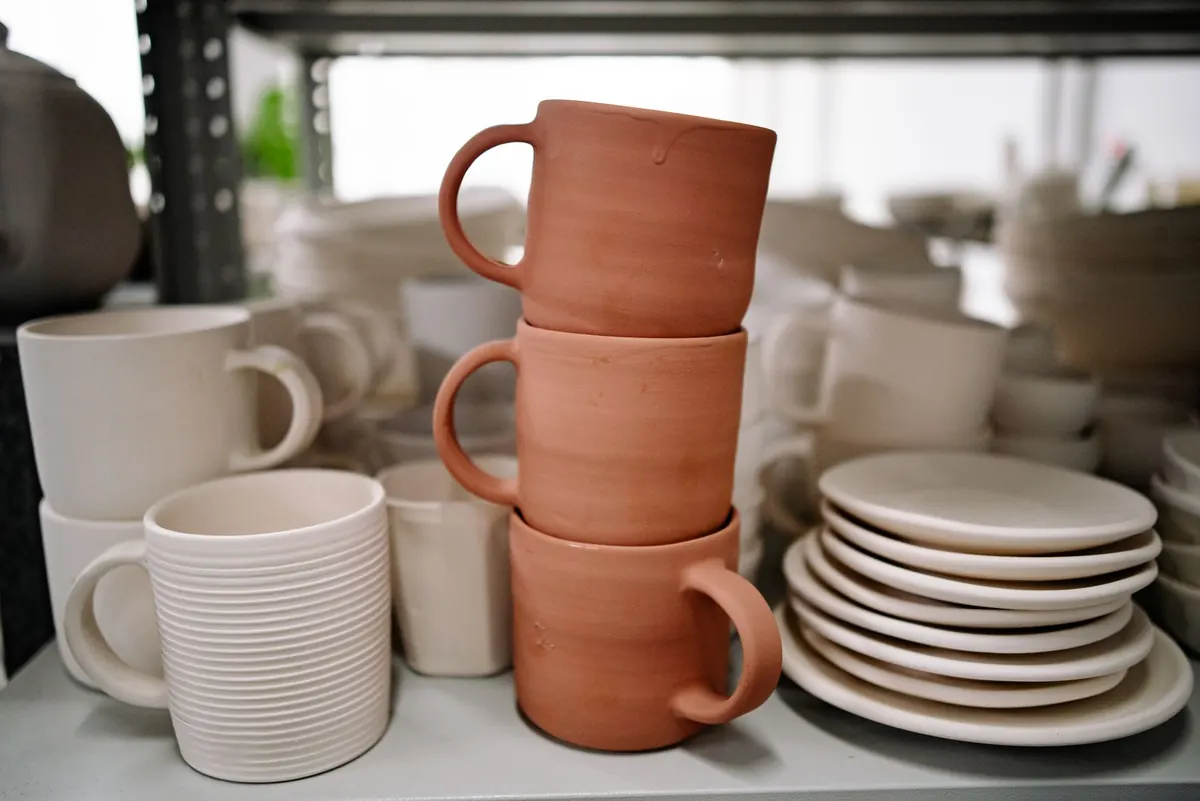
Handmade tableware is easy to fall for in a photograph and surprisingly easy to get wrong in daily use. A bowl that looks generous on a market stall can turn out to be too wide for your cupboard shelf. A mug with a beautiful, drippy glaze can be the one nobody reaches for because the handle only takes two fingers. None of that is an argument for mass-produced tableware. It is an argument for shopping with a few practical questions in your pocket.
Everyday ceramics get used in ways a display piece never will: filled to the brim with hot coffee, shoved into a dishwasher, stacked six high, knocked against a tap. Most of the checks below take seconds, and they make the difference between a piece you love and a piece you use.
Buying the look instead of the job
Start with how you actually eat and drink, then find the pot that suits it. A tall, narrow mug holds heat well but tips easily if you knock it with your elbow; a wide, shallow one cools your tea in minutes and feels clumsy to hold. Deep bowls are lovely for soup and awkward for cereal. Plates with a high, steep rim look striking and can make it impossible to cut a steak.
Potters also work in slight variations. Even in a well-controlled studio, two mugs from the same batch will differ by a few millimetres, and the glaze will break differently across each rim. That is part of the charm, but it does mean you should judge the piece in your hand rather than the one in the photo. Take a mental tour of your day: the 7am coffee, the lunchtime soup, the Sunday roast, and the cupboard you have to fit it all into.
Not asking about glaze safety
This is the question buyers skip most often, usually because they worry it sounds rude. It isn't. Ask the maker directly whether the clay, glaze and any decoration are food-safe and intended for daily use. A good potter will answer without hesitation, and many will tell you exactly which glazes are lead-free and how the surface should be cared for.
Look closely at the surface you will eat from. It should feel smooth and sealed, not gritty, powdery or coarse. Fine decorative work — gold lustre, painted rims, decals applied over the glaze, bright saturated reds and oranges — deserves an extra question, since some historic and imported formulations used metals you would rather not eat off. A web of fine cracks in the glaze, known as crazing, does not automatically make a piece unsafe, but it stains more easily and is harder to keep clean, and it tends to worsen with heat and sudden temperature changes.
If you are unsure about an old or unmarked piece you already own, the sensible move is to keep it for decoration, or to ask the maker or a ceramics supplier for proper guidance rather than guessing. For anything involving a specific health concern, seek professional advice.
Assuming handmade means dishwasher-safe
Handmade and dishwasher-safe are two separate facts. A well-fired stoneware or porcelain mug with a durable glaze will usually survive the dishwasher for years. Earthenware, unglazed rustic rims, crackled glazes, hand-painted decoration and anything with metallic lustre often will not — dishwasher detergent and high drying heat are tough on them, and the finish can dull or flake over time.
The same goes for the microwave. Metal decoration and lustre should never go in. Oven use is another matter entirely: assume a piece is not oven-safe unless the maker has said so clearly. Ask for the care instructions at the point of sale, and if you are buying online, check whether the listing states them. If the answer is unclear, hand wash it. A minute at the sink is cheaper than replacing a favourite bowl.
Ignoring weight, balance and how it stacks
A mug feels very different full. Heft it as though it were filled to the top. Heavy stoneware tankards can be a genuine handful once there is 300ml of coffee in them, particularly for anyone with weaker grip or sore wrists. Then check the details that decide whether you reach for it every morning:
- Handle: room for two or three fingers, with the thumb resting comfortably on top. Test it as if it were full, not empty.
- Rim: a gently rounded, not-too-thick rim feels better to drink from. Sharp or chunky rims tend to drip.
- Foot ring: the base should sit flat without wobbling. An unglazed foot is normal, but it should be sanded smooth, otherwise it will scratch wooden tables.
- Stacking: check how it sits with the plates and bowls you already own. Tall piles of shallow-bowled plates need more shelf height than you expect.
- Capacity: ask for the volume in millilitres. "Large mug" can mean anything from 250ml to 450ml.
Buying a full set before living with one piece
It is tempting to order six mugs and eight bowls in one go, especially when a set is discounted or a glaze batch is limited. Resist for a week. Buy a single mug or bowl, use it daily, put it through your normal routine and see how it behaves. Does it fit your hand? Does the glaze stain after a curry? Does it survive the dishwasher as promised?
There is a practical reason too. Small-batch potters fire in batches, and glazes shift subtly from one firing to the next, so a set ordered months later may not match exactly. If you decide you want more, you will know precisely what to ask for: the same size, the same glaze, and whether the studio can repeat it. Ordering a large set first is how beautiful cupboards end up full of pieces nobody uses.
Forgetting that ceramics need a bit of care
Good handmade tableware is robust, but it is not indestructible. Thermal shock is the most common cause of premature damage: pouring boiling liquid into a stoneware mug that has been sitting in a cold cupboard is far harsher than warming the mug first with hot tap water. Never move a piece straight from the freezer to a hot oven, and let dishes cool before washing up.
Staining is easier to prevent than to remove. Rinse tomato, turmeric and beetroot off soon after use, especially on matte or crackled glazes, and avoid abrasive scourers, which will dull a satin finish permanently. Stack plates with a felt pad or a tea towel between them, and treat chips and hairline cracks as a signal to retire a piece from food use. A chipped rim is not just a cosmetic problem; it is a place where food and moisture collect.
A five-minute check before you pay
Run through this in the shop, at the market stall or on the website before you commit:
- Ask what the piece is made from — earthenware, stoneware or porcelain.
- Confirm the glaze and decoration are food-safe, and whether the piece is dishwasher and microwave suitable.
- Hold it at full weight, check the handle and rim, and turn it over to inspect the foot.
- Measure the capacity, diameter and height against your cupboard and your habits.
- Buy one piece first, live with it for a week, then order the rest.
Handmade ceramics reward a little forethought. The mug you reach for every morning is rarely the most dramatic one on the shelf — it is the one that sits well in your hand, cleans up easily and has been asked a few sensible questions before it came home. A short conversation at the till is all it takes.
Photo: Yan Krukau / Pexels