Where to Find Artisan Craft Markets Across the UK
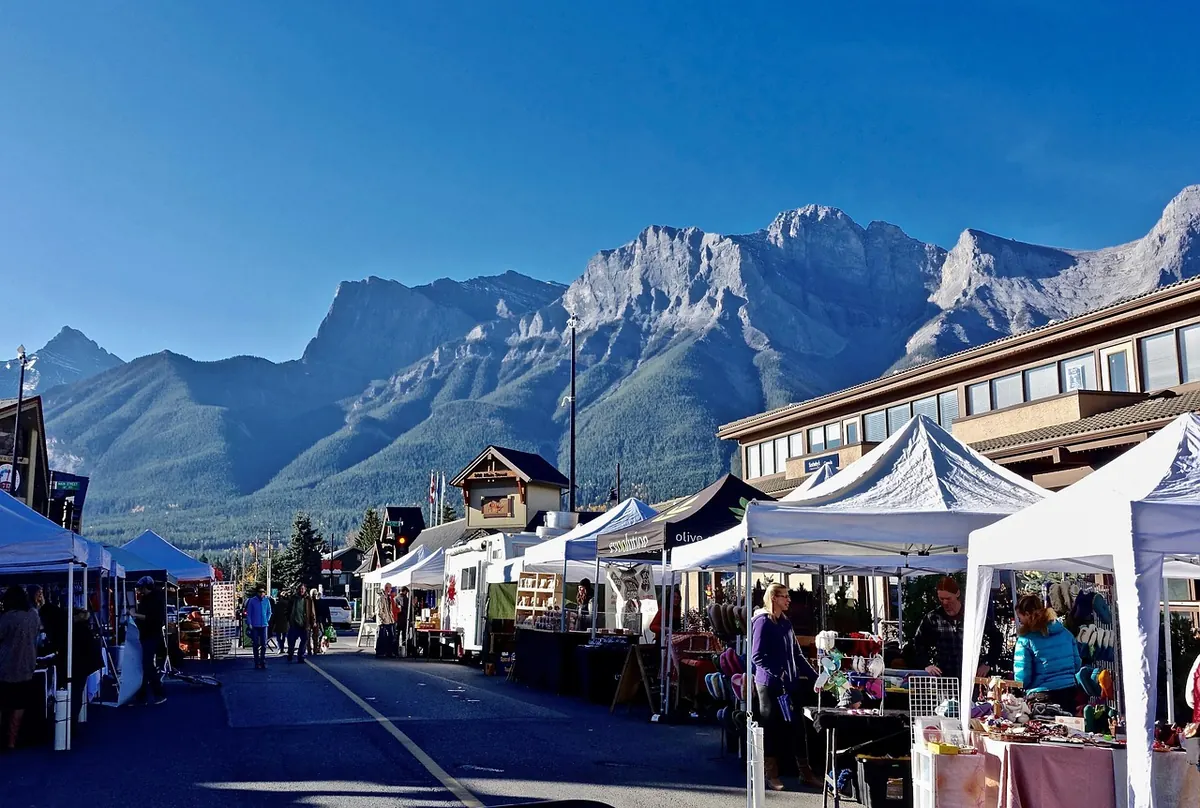
Most craft fairs are not really shopping trips. You arrive at a village hall or a converted mill, and within ten minutes you are holding a bowl that someone threw on a wheel last Tuesday, listening to why the glaze crawled the way it did. It is slower than scrolling through a website, and far better company. When you want a gift that will not turn up on three other doorsteps before Christmas, or a mug you can trace back to a pair of hands, the artisan market is still the best invention we have.
The trouble is finding them. The best ones are rarely advertised much beyond a laminated poster in a deli window, and the bigger fairs close their stallholder lists months in advance. What follows is a rough map of the UK's craft market landscape, plus a few habits that will make you much better at hunting them down.
Why the small ones are worth the drive
A market with forty stalls in a church hall will often beat a slick event with four hundred. At a small fair, the makers are usually the ones standing behind the table, which means you can ask the question every craftsperson secretly wants to be asked: how did you do that? You will get an answer about kilns, warping, shrinkage and the three pieces that cracked before this one worked. You will also get a story about the wood, the fleece, the reclaimed brass, or the fact that the whole batch is made from a fallen ash tree in the maker's parents' garden.
That is the real product. The object is lovely, but the object plus the story is what makes it a gift rather than a purchase.
The anchor fairs worth planning a weekend around
If you want to see the top of the market — the people who supply galleries, teach at art school part-time and show at New Designers — these are the sorts of events to watch for. Dates shift, so always check before booking trains.
England
- Bovey Tracey Contemporary Craft Festival (Devon, usually June) — a proper summer fixture in a small Dartmoor town, with around 200 makers, demonstrations and a tent full of people throwing pots in the rain.
- Great Northern Contemporary Craft Fair (Manchester, autumn) — the north's flagship selling fair, strong on ceramics, jewellery and textiles.
- Lustre (Lakeside Arts, Nottingham, November) — small, curated and consistently excellent, with a good mix of emerging and established makers.
- Made Brighton and the Crafty Fox Market events in London — both good for a younger, more affordable end of the market.
- Cornwall Design Fair at Trereife House — a garden marquee full of West Country makers, if you are already down that way.
Scotland, Wales and Northern Ireland
- Craft Scotland maintains a makers' directory and promotes fairs across the country; WASPS open studio weekends in Glasgow and Edinburgh are the closest thing to seeing the workshops themselves.
- Wonderwool Wales (Builth Wells, April) is a whole weekend of fleece, yarn, dyeing and spinning, and worth the trip even if you have never held a drop spindle.
- Craft NI in Belfast runs and lists maker events throughout the year, and the Guildhall Craft Fair in Derry is a solid Christmas bet.
Where the good small markets hide
Once you have done the big fairs, the real pleasure is the local circuit. These are the places to look:
- Converted mills and old industrial buildings — the sort of venue that has a café, a leaky roof and a resident jeweller.
- Farmers' markets — many run a craft side, especially in the run-up to Christmas.
- National Trust and RHS properties — craft tents and Christmas fairs in the walled gardens.
- County shows and agricultural events — blacksmithing, willow weaving and hurdle-making, usually next to the sheep.
- Open studios — a whole weekend where artists simply leave the door open. Often the best prices and the best conversations.
- Art trails — village-wide trails where you drive between studios following a paper map. Gloriously analogue.
- Library and church hall noticeboards — genuinely still the highest-yield research method available.
How to find markets you do not know about yet
- Follow the makers, not the fairs. Every craftsperson posts their next market on Instagram or in a newsletter. Three or four follows will fill your calendar for a year.
- Ask at the till. The person selling you a candle at a small shop almost always knows what is on next month.
- Check the guilds and associations. The Crafts Council, Craft Scotland, Craft NI and the various regional maker networks all publish event listings.
- Set an alert. Search for "makers market", "craft fair" or "open studios" plus your county, once a month. It takes two minutes.
- Go in the shoulder seasons. May to June and late October to early December are when the calendar is fullest.
What to bring, and how to shop well
A few practical things make the difference between a nice afternoon and a genuinely good haul.
- Cash. Most stalls now take cards, but the wifi in a village hall is a coin toss, and smaller makers often prefer notes.
- A big bag and a scarf. One for the ceramics, one for wrapping them so they survive the walk back to the car.
- Measurements. Shelf width, window height, the size of the person you are buying for. Photograph your kitchen wall before you go.
- A list, loosely held. Know roughly what you want, then let the market change your mind.
"I would rather sell three things and talk to thirty people than sell thirty and talk to nobody. The talking is the point."
That was a potter in a Devon village hall, and she was right.
A short etiquette guide
Craft markets run on goodwill, and there are a few unwritten rules that make you a welcome customer rather than a nuisance.
- Do not haggle. You are not in a souk; you are talking to someone who priced the piece at the point where they can still afford to make the next one.
- Ask before you pick things up. Especially anything glazed, sharp, textile or under a glass case.
- Ask before you photograph. Most makers will say yes happily. Almost all of them mind being photographed without being asked.
- If you have had a twenty-minute conversation and a demonstration, buy something. Even something small. It is the price of the tutorial.
- Ask about commissions. If the plate is the wrong size or the colour is not quite right, this is usually a solvable problem, and a made-to-measure piece costs far less than you would guess.
Come home with something that has a Tuesday in it
The whole point of an artisan market is that it puts a date and a name and a conversation between you and the object. The bowl was thrown last Tuesday. The glaze crawled because the kiln ran cold at the back. The wood came from a tree that came down in a storm, and the maker is still slightly annoyed about it.
You will not get that from a website, and you certainly will not get it from the third identical gift box to arrive on your friend's doorstep in December. Find a market, go early, take cash, and talk to the person behind the table. That is the whole method.
Photo: MemoryCatcher / Pixabay